Skip to Main Content
  • UHealth |
  • Bascom Palmer Eye Institute

Financial Toxicity

Sylvester Comprehensive Cancer Center
  • Appointments
  • Locations
  • Pay a Bill
  • Refer a Patient
  • International Patients
  • Donate Now
  • Search
  • Patient Login
  • Find a Doctor
  • Cancer Types & Treatments Page 1
    Cancer Types
    • Basal Cell Skin Cancer of the Eye
    • Benign Eye Diseases
    • Bladder Cancer
    • Bone and Soft Tissue Sarcoma
    • Brain and Spine Tumors
    • Breast Cancer
    • Colorectal Cancer
    • Cysts and Tumors of the Pleura
    • Endocrine Cancers
    • Eye and Ocular Cancer
    • Genitourinary Cancers
    • Glioblastoma
    • Gynecologic Cancers
    • Head and Neck Cancers
    • Hematologic (Blood) Cancers
    • Hodgkin Lymphoma
    • Leukemia
    • Liver Cancer
    • Lung and Chest Cancer
    • Melanoma and Merkel Cell Carcinomas
    • Multiple Myeloma
    • Non-Hodgkin Lymphoma
    • Ocular Lymphoma
    • Pancreatic Cancer
    • Pediatric Cancers
    • Prostate Cancer
    • Skin Cancers
    • Bone and Soft Tissue Sarcoma
    • Stomach Cancer
    • Thyroid Cancer
    View all Cancer Types
    Treatments
    • Bone Marrow and Stem Cell Transplant
    • Breast Reconstruction
    • CAR T-cell Therapy
    • Gamma Knife Radiosurgery
    • Hyperthermic Intraperitoneal and Intrapleural Chemotherapy (HIPEC)
    • Laser Ablation
    • Laser Interstitial Thermal Therapy
    • Minimally Invasive Brain Tumor Surgery
    • Precision Medicine
    • Proton Therapy
    • Radiation Therapy
    • Radioactive Iodine Therapy
    Cancer Types
    • Basal Cell Skin Cancer of the Eye
    • Benign Eye Diseases
    • Bladder Cancer
    • Bone and Soft Tissue Sarcoma
    • Brain and Spine Tumors
    • Breast Cancer
    • Colorectal Cancer
    • Cysts and Tumors of the Pleura
    • Endocrine Cancers
    • Eye and Ocular Cancer
    • Genitourinary Cancers
    • Glioblastoma
    • Gynecologic Cancers
    • Head and Neck Cancers
    • Hematologic (Blood) Cancers
    • Hodgkin Lymphoma
    • Leukemia
    • Liver Cancer
    • Lung and Chest Cancer
    • Melanoma and Merkel Cell Carcinomas
    • Multiple Myeloma
    • Non-Hodgkin Lymphoma
    • Ocular Lymphoma
    • Pancreatic Cancer
    • Pediatric Cancers
    • Prostate Cancer
    • Skin Cancers
    • Bone and Soft Tissue Sarcoma
    • Stomach Cancer
    • Thyroid Cancer
    View all Cancer Types
  • Patients & Families
    For Patients & Families
    • Your First Visit
    • Parking Information
    • Frequently Asked Questions
    • Classes & Events
    • Nurse Navigators
    • Interpreter Services
    • Clinical Trials
    • International Patients
    • Medical Records
    • Quality and Patient Safety
    • Patient Educational Materials
    • Advance Directives
    • Bereavement Support

    Cancer Prevention & Screening
    • Why Get Screened?
    • Hereditary Cancer Risk
    • Breast Cancer Screening
    • Cervical Cancer Screening
    • Colorectal Cancer Screening
    • Lung Cancer Screening
    • Prostate Cancer Screening
    • Skin Cancer Screening
    • Stomach Cancer Screening
    • Lifestyle Medicine
    Cancer Supportive Care
    • Classes & Events
    • Acupuncture
    • Adolescent and Young Adult (Ages 15-39) Program
    • Art Therapy
    • Emotional and Mental Well-Being
    • Exercise Oncology
    • Massage Therapy
    • Music Therapy
    • Nutrition
    • Oncology Social Work Services
    • Spiritual Care
    • Support Groups & Programs
    • Wigs and Head Coverings
    • Yoga Therapy
    • View All Cancer Supportive Care
    Cancer Survivorship Care
    • Cancer Survivorship & Supportive Care Institute
    • Survivorship Care
    • Survivorship FAQs
    • Your Survivorship Information
    • Cancer Supportive Care
    • Survivorship News
    • Education & Events
    • Institute Leadership
    • Survivorship Team
    • Survivorship And Supportive Care Research

    Quick Links

    • Appointments
    • Find a Doctor
    • Pay a Bill
    • Insurance Plans Accepted
    • MyUHealthChart
    Donate Today
    Quick links
    • Appointments
    • Find a Doctor
    • Pay a Bill
    • Make a Gift
    • Insurance Plans Accepted
    • MyUHealthChart
    For Patients & Families
    • Your First Visit
    • Parking Information
    • Frequently Asked Questions
    • Classes & Events
    • Nurse Navigators
    • Interpreter Services
    • Clinical Trials
    • International Patients
    • Medical Records
    • Quality and Patient Safety
    • Patient Educational Materials
    • Advance Directives

    Cancer Prevention & Screening
    • Why Get Screened?
    • Hereditary Cancer Risk
    • Breast Cancer Screening
    • Cervical Cancer Screening
    • Colorectal Cancer Screening
    • Lung Cancer Screening
    • Prostate Cancer Screening
    • Skin Cancer Screening
    • Stomach Cancer Screening
    • Lifestyle Medicine
    Cancer Supportive Care
    • Classes & Events
    • Acupuncture
    • Adolescent and Young Adult (Ages 15-39) Program
    • Art Therapy
    • Emotional and Mental Well-Being
    • Exercise Oncology
    • Massage Therapy
    • Music Therapy
    • Nutrition
    • Oncology Social Work Services
    • Spiritual Care
    • Support Groups & Programs
    • Wigs and Head Coverings
    • Yoga Therapy
    • View All Cancer Supportive Care
    Cancer Survivorship Care
    • Cancer Survivorship & Supportive Care Institute
    • Survivorship Care
    • Survivorship FAQs
    • Your Survivorship Information
    • Cancer Supportive Care
    • Survivorship News
    • Education & Events
    • Institute Leadership
    • Survivorship Team
    • Survivorship And Supportive Care Research
    About Sylvester
    • Why Choose Sylvester
    • Message from the Director
    • NCI-Designated Cancer Center
    • Cancer Center of Excellence
    • Our History
    • Mission, Vision & Values
    • Facts and Figures
    • Impact Reports
    • Leadership
    • Partners in Our Mission
    • Careers
    • Cancer Center Volunteers
    • Make a Gift
    • Health News
    • Contact Us
  • Research
    Clinical Trials
    • Find a Clinical Trial
    • Understanding Clinical Trials
    • Clinical Trials FAQ's
    • Phase 1 Clinical Trials
    About Our Research
    • Research Programs
    • Engineering Cancer Cures
    • Faculty
    • Labs
    Research Resources
    • Clinical Research Services
    • Shared Resources
    • Data Science
    • SCAN 360
    • Funding Opportunities
    • Tumor Registry
     
    • Medical Library
    • Grant Writing Support
    • Human Subject Research Office
    • Regulatory Oversight
    • IACUC
    • Responsible Conduct of Research (RCR)
    Clinical Trials
    • Find a Clinical Trial
    • Understanding Clinical Trials
    • Clinical Trials FAQ's
    • Phase 1 Clinical Trials
    About Our Research
    • Research Programs
    • Engineering Cancer Cures
    • Faculty
    • Labs
    Research Resources
    • Clinical Research Services
    • Shared Resources
    • Data Science
    • SCAN 360
    • Funding Opportunities
    • Tumor Registry
    • Medical Library
    • Grant Writing Support
    • Human Subject Research Office
    • Regulatory Oversight
    • IACUC
    • Responsible Conduct of Research (RCR)
  • Education and Training
    Education and Training
    • About Us
    • High School, Undergraduate, & Postbaccalaureate Students
    • Medical Students
    • Graduate Program
    • Postdoctoral Training
    • Clinical Fellowships
     
    • Faculty Development
    • Events Calendar
    Education and Training
    • About Us
    • High School, Undergraduate, & Postbaccalaureate Students
    • Medical Students
    • Graduate Program
    • Postdoctoral Training
    • Clinical Fellowships
    • Faculty Development
    • Events Calendar
  • Community Engagement
    Community Outreach Activity
    • What We Do
    • Game Changer Vehicles
    • Request Our Services
    • Who We Are
    • The Area We Serve
    • Community Partnerships
    • Unite Us
    • Community Advisory Committee (CAC)
    • Partnership Matching Request Form
    • Spotlight Corner
    Community Engagement
    • Firefighter Cancer Initiative
    • Global Oncology
    • World Health Organization
    • Avanzando Caminos: Hispanic/Latino Cancer Survivorship Cohort Study
    Community Outreach Activity
    • What We Do
    • Game Changer Vehicles
    • Request Our Services
    • Who We Are
    • The Area We Serve
    • Community Partnerships
    • Unite Us
    • Community Advisory Committee (CAC)
    • Partnership Matching Request Form
    • Spotlight Corner
    Community Engagement
    • Firefighter Cancer Initiative
    • Global Oncology
    • World Health Organization
    • Avanzando Caminos: Hispanic/Latino Cancer Survivorship Cohort Study
  • About Sylvester
    About Sylvester
    • Why Choose Sylvester
    • Message from the Director
    • NCI-Designated Cancer Center
    • Cancer Center of Excellence
    • Our History
    • Mission, Vision & Values
    • Facts and Figures
    • Impact Reports
     
    • Leadership
    • Partners in Our Mission
    • Careers
    • Cancer Center Volunteers
    • Make a Gift
    • Health News
    • Contact Us
    About Sylvester
    • Why Choose Sylvester
    • Message from the Director
    • NCI-Designated Cancer Center
    • Cancer Center of Excellence
    • Our History
    • Mission, Vision & Values
    • Facts and Figures
    • Impact Reports
    • Leadership
    • Partners in Our Mission
    • Careers
    • Cancer Center Volunteers
    • Make a Gift
    • Health News
    • Contact Us
Patient Login
  • University of Miami Health System
  • Sylvester Comprehensive Cancer Center
  • Cancer Survivorship and Supportive Care
  • Survivor Newsletters and Workshops
  • Summer 2023 Newsletter
  • Financial Toxicity
  • University of Miami Health System
  • Sylvester Comprehensive Cancer Center
  • Cancer Survivorship and Supportive Care
  • Survivor Newsletters and Workshops
  • Summer 2023 Newsletter
  • Financial Toxicity

Financial Toxicity

« Back to Summer 2023 Newsletter
Survivor Newsletters and Workshops
  • Summer 2025 Newsletter
  • Winter 2025 Newsletter
  • Fall 2024 Newsletter
  • Summer 2024 Newsletter
    • Palliative Care is Not Hospice
    • 5 Things I Learned About Cancer From My Diagnosis
    • Young Sarcoma Survivor Embraces Life After Battling Cancer
  • Spring 2024 Newsletter
    • Knowing Your Cancer Risk Can Be Empowering
    • When Cancer Survivors Look Good, They Feel Better
    • Music is Medicine
  • Winter 2024 Newsletter
    • Cancer’s Impact on the Hispanic Community
    • A Conversation with Dr. Felicia Marie Knaul
    • Exercise After Cancer Treatment Improves Health and Lowers Risk of Recurrence
    • Sweet Potato Ginger Pudding
    • There is Always Hope
  • Summer 2023 Newsletter
    • Financial Toxicity
    • Nutrition and Cancer Survivorship
    • Can More Meatless Meals Lower Your Cancer Risk?
    • Should People with Cancer Exercise?
  • Spring 2023 Newsletter
    • The Power of Reframing
    • The Weight of a Word: Survivor
    • Sylvester Goes to Capitol Hill in Support of Comprehensive Cancer Survivorship Act
    • Sylvester Celebrates Inaugural Cancer Survivorship Symposium
    • Art Therapy: More Than Just a Coping Skill
    • From Cancer Survivor to Nurse: A Tale of Empathy
  • Fall 2022 Newsletter
    • Two Women, Two Points on the Cancer Survivorship Journey
    • Support at Any Stage
    • Stories
      • If My Parent Had Cancer, Am I at a Higher Risk?
      • New Online Tool Supports Cancer Patient Wellness
  • Summer 2022 Newsletter
    • A Matter of Survival
    • Oncofertility 101
    • Stories
      • New Lifestyle Guidelines for Cancer Survivors
      • Patient Beware: Study Finds Potential for Massive Cancer Nutrition Misinformation on Pinterest
      • What Is It Like to Live with Advanced Cancer?
  • Winter 2022 Newsletter
    • The Mind-Body Connection
    • Survivorship Clinic
    • A Match Made in Heaven
    • Stories
      • Sex: The Breast Cancer Topic No One Talks About
      • Take Care of Yourself During Radiation Therapy
  • Fall 2021 Newsletter
    • Welcome Letter
    • Coming to Terms with Change and Knowing My Limits
    • Stories
      • 11th Dolphins Challenge Cancer Event Raises Millions for Research at Sylvester
      • Finding Strength Through Music
      • Reduce Chronic Inflammation - With Food
    • Cancer Support Services Events
  • Cancer Support Services Events

A Symptom of Cancer That Needs Medical Attention

By Cara Tremols

Cancer survivors are regularly, and more disproportionately, faced with financial distress. According to the National Cancer Institute, there’s a term that describes this specific burden on cancer survivors: financial toxicity.

“Financial toxicity is a term that means it’s a side effect of cancer,” said Jessica MacIntyre, executive director of Clinical Operations at Sylvester Comprehensive Cancer Center, part of the University of Miami Health System. “When it comes to our survivors, we have to look at them holistically, and that includes finances. Otherwise, patients suffer.”

To make ends meet, some patients have been known to sell their cars or move from one family member’s home to another.

“Patients feel like they have to make a choice,” MacIntyre said. “They either pay bills or they get cancer care, and sometimes they aren’t very open about it with their families. They may skip appointments or medications.”

In times of economic uncertainty, such as during the COVID-19 pandemic, the burden of financial toxicity increases. In 2020 (and even still as a result of the pandemic), many people were unable to work or go out because they were immunocompromised. Access to care became even more challenging because they were either providing care to their families or needed care from their family members. For some, that’s still true.

Lisa Meherb, director of Social Work at Sylvester, said that inflation is a challenge for many people right now, but especially for cancer patients and survivors.

“What once was considered a good-paying job may not be enough to guarantee basic necessities like housing, food and health care,” she said. “Rents have gone up across South Florida, and a lot of our patients are surviving based on the support of family members.”

Even for patients who are in a more fortunate position, the cost of care can cause a heavy toll on their mental health.
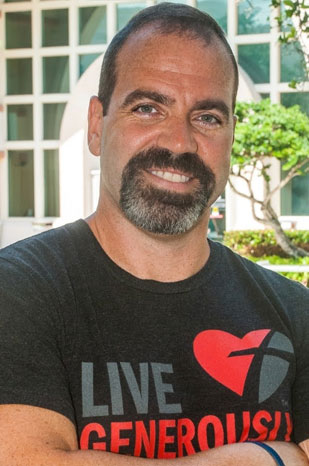
Jorge Calil

Jorge Calil, a three-time cancer survivor of Stage 4 Hodgkin’s lymphoma and a stem cell transplant recipient, describes the frustration he experienced managing his medical finances.

“The billing was more of a concern and a stress to me than my cancer diagnosis,” he said.

Calil said he often found himself angered by bills and confused about what his financial responsibilities were. Rather than focusing on healing, billing was constantly on his mind.

Even though Calil felt he was being proactive, he had to make some choices about what kind of care he was getting based on costs. At one point, he suspected his cancer was back and made the decision to schedule a radiology appointment for Christmas Eve rather than wait until the new year when his out-of-pocket maximum would reset to zero.

“It was a scan to confirm what I was dreading, that it’s back already,” he said. “I was more concerned about doing the CT in December so I wouldn’t have to pay anything out-of-pocket than I was about the results of the CT.”
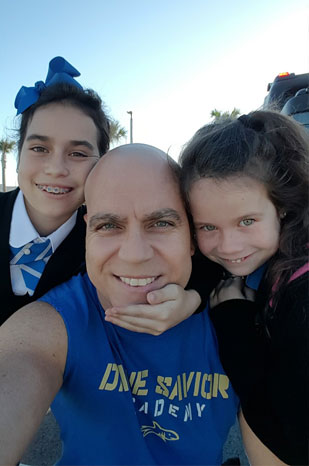
Jorge Calil

Going through this experience, Calil wondered about other cancer patients and asked himself, How do they get by? Like a stay-at-home parent now has to put their kids in daycare if they don’t have family to help? Or someone with a 9-to-5 job who needed radiation five days a week?

“Without steady income, family or some type of financial assistance, cancer can mean financial ruin,” he said. “Fighting cancer is tough enough without having to worry about that, too.”

Screening for Financial Hardship

The Cancer Survivorship program does its best to make sure people don’t have to make these tough choices. Sylvester screens for financial toxicity in a few places.

The first screening method is via Sylvester’s oncology nurse navigators. Patients are assigned to an oncology nurse navigator with their first appointment. Among other concerns, patients are screened for financial barriers to care and may be immediately referred to social work. This cuts down the time it would take for a referral.


The second screening can happen during the pre-appointment survey. Before each appointment, patients are asked to fill out a questionnaire about their specific needs. This program, called My Wellness Check (MWC), provides a personalized health care experience to relay any current concerns, including financial stress. If people indicate that they’re experiencing financial toxicity, a social worker is assigned to help address the problem, reviewing insurance coverage, including out-of-pocket costs and limits, deductibles and copays. They also work to identify other financial stressors like transportation or child care.

Third, if they are open to it, patients can discuss their financial stress with their doctor. Talking about finances may not be a comfortable conversation, but when people feel empowered to talk about financial struggles, they can open doors to receive help.

“We often tell patients that not one resource will solve all your problems,” Meherb said.

Not all coverage is the same, just as each patient isn’t the same. The social worker has to understand a patient’s specific needs to identify the most appropriate tools and resources.

Let’s say you have high out-of-pocket costs, like medications. Your social worker will work to get you on a patient assistance program to get costs as close to $0 as possible. Or perhaps you’re paying out of pocket for care. That’s a huge financial strain in itself, but you might qualify for Medicaid. The team can help get that process started.

Maybe getting to and from your appointments is the challenge. Your social worker will check to see if your insurance offers free transit to and from your appointments. (Some do!) Sylvester also offers transportation program through a grant, so let the team know if transportation is a problem. Telehealth may be appropriate for certain appointments as well.

Get the Help You Need and Deserve

Here are some important takeaways if you or a cancer patient or survivor you know is experiencing financial toxicity:

  • Not one source will provide all your solutions.
  • Know your income versus your expenses.
  • Cut down on bills (cell phones, memberships)
  • Before purchasing wigs or medical devices, see if they might be available or reimbursable through your insurance. It’s worth noting that Sylvester does have a wig program and other lymphedema garments.
  • Contact your utilities, mortgages or credit card companies regarding hardship programs.

Below are some organizations that may be able to help, but there are many more. A Sylvester social worker can help find the most appropriate resources for you.

  • Cancer Financial Assistance Coalition
  • CancerCare
  • Family Reach
  • The Leukemia & Lymphoma Society
  • Triage Cancer
  • NeedyMeds.com
  • Good Days
  • Patient Access Network Foundation

Bottom line: if you need help or are suffering from financial toxicity, please let your care team know.

“Don’t be afraid to talk about it,” MacIntyre said. “We can’t address it if we don’t know.”


logo--sylvester

NCI Designated

USNWR Cancer 2025-2026 Badge

Cancer Center of Excellence
Quick links
  • Appointments
  • Find a Doctor
  • Pay a Bill
  • Make a Gift
  • Insurance Plans Accepted
  • MyUHealthChart

Patient & Families
  • Cancer Treatments
  • Cancer Supportive Care
  • Your First Visit
  • Frequently Asked Questions
  • Nurse Navigators
  • Interpreter Services
  • Clinical Trials
  • International Patients
  • Medical Records
  • Price Transparency
  • Florida Health Finder
Research
  • Research at Sylvester
  • Research Programs
  • Research Labs & Faculty
  • Clinical Research Services
  • Shared Resources
  • Clinical Fellowship
  • Community Outreach Activity
About Sylvester
  • Why Choose Sylvester
  • NCI-Designated Cancer Center
  • Cancer Center of Excellence
  • Our History
  • Impact Reports
  • Mission, Vision & Values
  • Quality and Patient Safety
  • Leadership
  • Careers
  • Volunteers
  • For Media
  • Contact Us
  • Make a Gift

University of Miami Centennial Logo

Medical Disclaimer | Terms of Use | Privacy Statement | HIPAA Notice of Privacy Practices | For Employees
© 2025 University of Miami Health System. All rights reserved.